
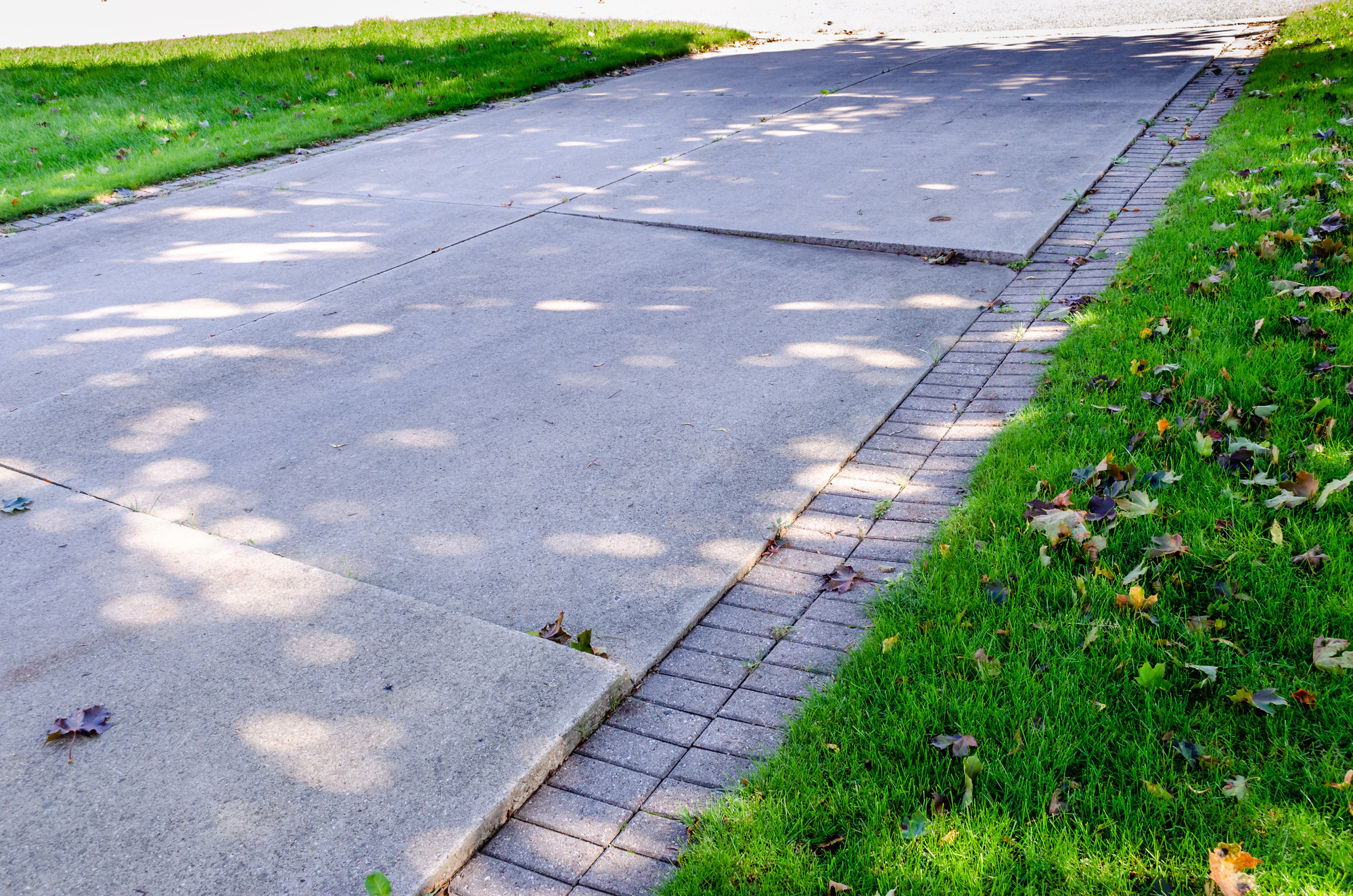
When homeowners first hear about mudjacking, they often ask: is it just a temporary fix? The truth is, mudjacking can last many years if conditions are right. Understanding its lifespan—and how to protect your investment—helps you make the best decision for your property.
What Is Mudjacking?
Mudjacking lifts sunken concrete by drilling holes in the slab and pumping in a cement-based slurry. As the mixture fills voids, it pushes the slab back to its original position. It’s a proven method that’s been used for decades.
Average Lifespan
Properly installed mudjacking usually lasts 5–10 years. In favorable conditions, it can last 20 years or more. However, its durability depends on soil stability, moisture levels, and ongoing care.
What Shortens Its Life?
- Expansive Clay Soils: Clay expands when wet and shrinks when dry, causing slabs to shift.
- Poor Drainage: Downspouts, gutters, or grading that direct water toward slabs wash away supporting soil.
- Heavy Loads: Driveways that hold RVs or heavy trucks often resettle sooner.
- Improper Installation: If voids aren’t completely filled, slabs may sink again quickly.
How to Make Mudjacking Last Longer
- Seal Joints and Cracks: Prevent water from entering the soil beneath the slab.
- Fix Drainage Issues: Extend downspouts at least 6 feet away from the house and regrade soil if needed.
- Schedule Inspections: Have a contractor check every 2–3 years, especially if you notice new settling.
- Use the Slab Wisely: Don’t overload patios or park oversized vehicles on thin concrete.
Comparing Alternatives
Polyurethane foam lifting often lasts longer than mudjacking because foam is lighter and resists moisture. While more expensive, foam can extend slab life by 20+ years. For budget-conscious homeowners, mudjacking remains a practical option.
Mudjacking is not a band-aid—it’s a cost-effective repair with a lifespan measured in years, not months. With drainage fixes and basic maintenance, you can expect solid performance well beyond a decade.